- Mon - Fri 9am-5pm, Sat & Sun Closed
- 1st Floor, 10 Boolwey St Bowral NSW 2576
- [email protected]
- 02 4861 1833


What Are the Top Causes of Gum Swelling?
10/01/2025
Braces and Gum Swelling: How Bowral Patients Can Keep Gums Healthy
10/01/2025
Gum swelling is a common issue that many people face, and it can be triggered by various factors ranging from poor oral hygiene to underlying health conditions. Often, gum swelling may seem like a minor inconvenience that can be treated with at-home remedies, but sometimes it may indicate a more serious issue. It’s crucial to understand the root causes of swollen gums, the effective treatments, and when to consult a dentist for further evaluation.
What Are the Common Causes of Gum Swelling?
Several factors can contribute to swollen gums, each requiring different approaches for treatment. Here are some of the most common causes:
- Gingivitis
Gingivitis, a mild form of gum disease, is the most common cause of swollen gums. It occurs when plaque—a sticky film of bacteria—builds up on the teeth, leading to gum irritation and swelling. While gingivitis is often reversible with improved oral hygiene. Proper brushing flossing technique can effectively address gingivitis. Untreated gingivitis can, in some patients, progress to more serious conditions like recession, periodontal disease with bone loss. - Periodontitis
Periodontal disease is where gum inflammation is also accompanied by bone loss. Genetics do play a part in gum disease but there are modifiable lifestyle factors that can trigger the expression of these genes leading to gum disease. Conversely, these same lifestyle factors can help minimise the chances of developing gum disease or alter the course and severity of the disease, if managed properly.
The symptoms of periodontal disease include bad breath, bleeding and swollen gums, looking “longer in the tooth”, recession, loose teeth, dark to light brown deposits on your teeth (calculus) which cannot be removed by brushing and flossing.
Risk factors and lifestyle factors that cause gum disease include: smoking/vaping, diabetes, lack of proper oral hygiene, genetic conditions
Importantly, there is no cure for gum disease. Current treatment options are aimed at controlling the gum disease and preventing further bone loss or slowing down its progress.
The presence of gum disease has been linked to the higher prevalence of other diseases such as Alzheimer’s disease, heart disease, lung infections (e.g. pneumonia) and diabetes. - Dental Abscesses A dental abscess occurs when an infection leads to the collection of pus in the gums, bone or root canal system of the tooth. Typically the most common causes of dental abscesses are severe gum infectins form gum disease or a tooth with an infected nerve. This can cause significant gum and/or facial swelli. Abscesses typically require immediate professional care to prevent further complications like cellulitis and airway compromise.
- Hormonal Changes
Hormonal changes, especially during pregnancy, menstruation, or menopause, can lead to gum swelling. These changes can make gums more sensitive and susceptible to inflammation. - Medications
Certain medications, including those used for treating epilepsy, can cause gum enlargement as a side effect. This is called drug-induced gingival hyperplasia. - Vitamin Deficiencies
Deficiencies in vitamins, particularly vitamin C (scurvy), can result in swollen, bleeding gums. Proper nutrition plays a crucial role in gum health. - Poor Oral Hygiene
Consistent neglect of oral hygiene habits can result in plaque and tartar build-up, leading to gum irritation and swelling. - Tooth grinding
Tooth grinding and clenching and aberrations in your bite/ position of your teeth can result in loosening of teeth and bone loss over time. In advanced gum disease, teeth can drift around the jaw and cause disturbances in your bite. This can accelerate bone loss and possibly result in eventual tooth loss.
How Can You Treat Swollen Gums?
While it’s essential to address the underlying cause of gum swelling, there are treatments available that can help manage the symptoms, particularly in the early stages.
- Professional Dental Care
Visiting a dentist for a professional cleaning is one of the most effective ways to treat swollen gums. Dentists can remove plaque and tartar build-up that cannot be addressed by regular brushing alone. A thorough examination will also help identify the underlying cause of the inflammation. Proper oral hygiene techniques and habits are also essential to help prevent swollen gums. - Deep Cleaning and Scaling
If gum swelling is caused by periodontitis, a deep cleaning or scaling procedure may be recommended. This treatment removes calculus from above and below the gumline and helps prevent further damage to the supporting bone and gums. Calculus adheres to teeth over time like barnacles and forms a reservoir of bacteria which can initiate and sustain the gum and bone destruction. Thorough removal of dental calculus is essential to the successful treatment of gum disease. It is important to know that in most cases (see picture below), gum and bone tissue that has been lots to gum disease can rarely be regenerated especially in moderate to severe case.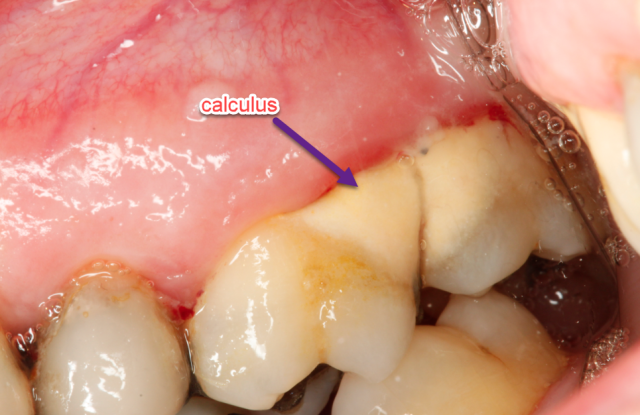
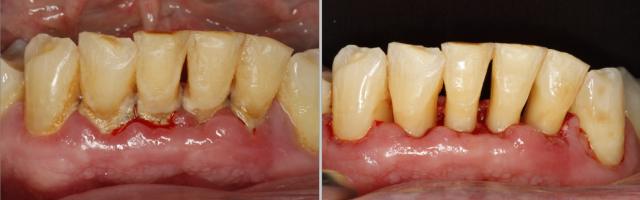
Before and after deep cleaning – removal of calculus
- Antibiotics in combination with periodontal therapy
If gum swelling is caused by an infection, such as an abscess, a dentist may prescribe antibiotics to clear up the infection. In some cases, drainage of the abscess may be required to alleviate the infection and reduce swelling. Antibiotic therapy is NOT the mainstay of treating gum disease. Addressing the underlying cause of the gum disease such as accumulation of calculus, poor oral hygiene, smoking/vaping and poor control of blood sugar levels in diabetics are essential in resolving gum disease. - Surgical Treatments or Extractions
In severe cases, surgical interventions may be necessary, especially if gum disease has led to significant hard and soft tissue damage. Treatment options could include regenerative procedures like grafting or extraction of severely compromised teeth.
How Can You Prevent Gum Swelling?
Preventing gum swelling is largely a matter of practising proper oral hygiene and maintaining overall health. Here are some strategies to help reduce the risk of gum swelling:
- Brush Twice a Day: Brush your teeth at least twice daily. Make sure to clean the gumline thoroughly to remove plaque.
- Floss Daily: Flossing helps remove food particles and plaque from between the teeth, areas that are difficult to reach with a toothbrush.
- Regular Dental Checkups: Visiting your dentist for regular checkups is essential for detecting gum issues early and preventing the onset of gum disease.
- Healthy Diet: A balanced diet rich in vitamins and minerals, especially vitamin C, can help maintain healthy gums.
- Quit Smoking/Vaping: Smoking is a major risk factor for gum disease, and quitting can significantly improve your gum health.
- Metabolic health: Maintaining your blood glucose levels within a healthy range goes a long way in preventing and controlling gum disease
Why Village Dental Care is Your Go-To Destination for Gum Health
If you’re looking for an experienced and reliable dental clinic to manage your gum health, Village Dental Care is here to help. Whether you’re dealing with swollen gums, gingivitis, or more severe gum issues, our dedicated team of professionals will provide personalised care and effective treatment plans to restore your gum health. We will thoroughly assess your teeth and gums, in addition to a thorough assessment of your medical history to help you treat and manage any gum disease. Examination and treatment is carried out with a dental microscope for increased precision and superior outcomes.
We take the time to educate our patients about their dental health, offering professional advice and support throughout your journey to healthier gums. Book your appointment today and experience the difference at Village Dental Care.
Read More: What Are the Top Causes of Gum Swelling?
References:
- Australian Dental Association – Gum Disease Treatment:
- American Academy of Periodontology-Gum disease information
Related posts

20/08/2026


21/03/2025