- Mon - Fri 9am-5pm, Sat & Sun Closed
- 1st Floor, 10 Boolwey St Bowral NSW 2576
- [email protected]
- 02 4861 1833


What Causes Poor Oral Health?
22/08/2024
How Does Poor Oral Health Impact General Health?
22/08/2024
What Constitutes Good Oral Health?
Introduction
Understanding what constitutes good oral health is essential for maintaining a healthy mouth and overall well-being. This comprehensive guide will explore the key components of good oral health, including preventive care, dietary habits, and regular dental check-ups.
Why is Consistent Brushing Important?
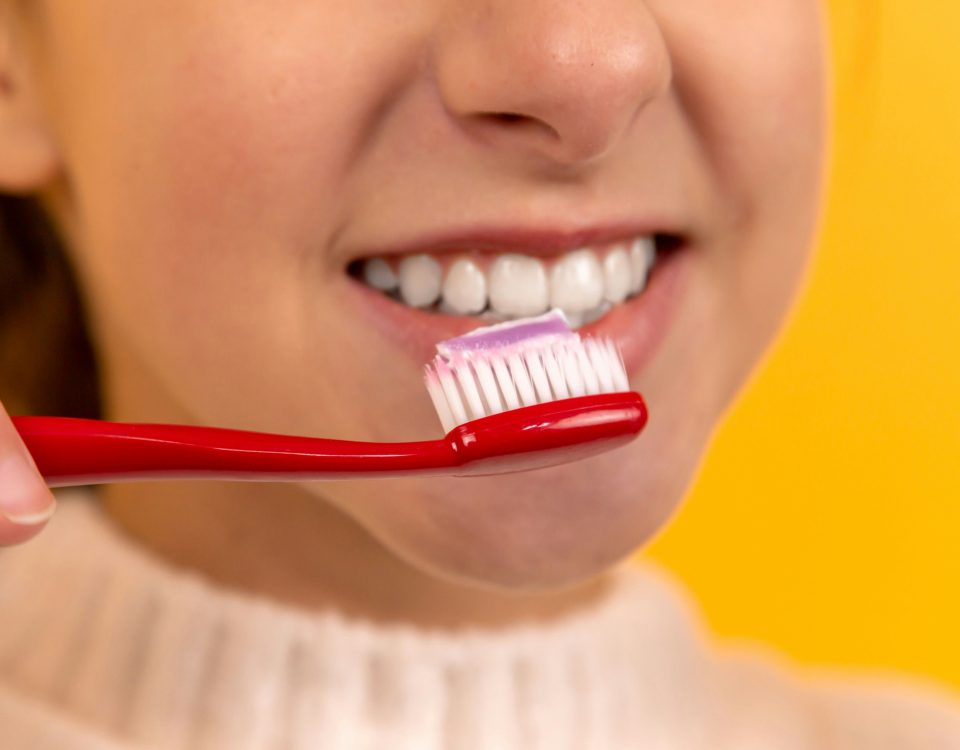
Consistent brushing is one of the cornerstones of good oral health. Brushing teeth at least twice a day with fluoride toothpaste helps remove plaque—a sticky film of bacteria that forms on teeth and can lead to tooth decay and gum disease. According to the Australian Dental Association (ADA), fluoride toothpaste not only cleans the teeth but also strengthens the enamel, making it more resistant to decay.
How Does Flossing Contribute to Oral Hygiene?
Flossing daily is crucial for removing plaque and food particles that a toothbrush cannot reach. This practice helps prevent gum disease and cavities, especially between the teeth. The ADA recommends flossing at least once a day to maintain optimal oral health.
What Role Does a Balanced Diet Play in Dental Health?
A balanced diet plays a significant role in maintaining good oral health. Consuming foods rich in vitamins and minerals, such as dairy products, leafy greens, and nuts, supports the health of your teeth and gums. It’s equally important to limit sugary and acidic foods and drinks, which can lead to tooth decay and enamel erosion.
Foods for Good Oral Health:
- Dairy products (cheese, yogurt) for calcium and phosphates.
- Crunchy fruits and vegetables (apples, carrots) for natural teeth cleaning.
- Leafy greens (spinach, kale) for vitamins and minerals.
- Nuts and seeds for healthy fats and protein.
- Green and black teas for reducing bacteria and plaque.
Why Are Regular Dental Visits Necessary?
Regular dental visits are essential for detecting and preventing oral health issues early. Dentists bowral recommend visiting at least twice a year for check-ups and professional cleanings. These visits allow the dentist to remove tartar, check for cavities, and address any gum disease early on. According to research published in the Journal of Dental Research, regular dental check-ups can significantly reduce the risk of oral diseases.
How Does Avoiding Tobacco Benefit Oral Health?
Avoiding tobacco is critical for maintaining oral health. Tobacco use is a major risk factor for oral cancer, gum disease, and tooth decay. Smokers are more likely to develop plaque and tartar on their teeth, leading to periodontal disease. Quitting smoking can significantly improve oral health and reduce the risk of serious health issues.
Read more: What Causes Poor Oral Health?
Read more: How Long After Teeth Cleaning Can I Eat?
What Is the Importance of Staying Hydrated?
Staying hydrated by drinking plenty of water is important for oral health. Water helps rinse away food particles and bacteria, maintains saliva flow, and prevents dry mouth. Saliva is crucial for neutralising acids produced by bacteria and for maintaining the health of your teeth and gums.
Why Should Mouthwash Be Part of Your Daily Routine?
Incorporating an antibacterial mouthwash into your daily routine can enhance oral hygiene. Mouthwash helps reduce the amount of bacteria in the mouth, freshens breath, and can help prevent gum disease. The ADA recommends using mouthwash as a supplementary step to brushing and flossing for a comprehensive oral care routine.
What Are the Common Dental Issues and Their Prevention?
Understanding common dental issues and how to prevent them is key to maintaining good oral health.
Common Dental Issues and Prevention:
- Tooth Decay: Brush with fluoride toothpaste, reduce sugar intake, regular dental check-ups.
- Gum Disease: Maintain oral hygiene, avoid tobacco, professional cleanings.
- Bad Breath: Regular brushing, flossing, using mouthwash, staying hydrated.
What Are the Signs of Good Oral Health?
Identifying the signs of good oral health can help you maintain a healthy mouth.
Signs of Good Oral Health:
- Clean Teeth: Teeth free from plaque and tartar, appearing white and shiny.
- Healthy Gums: Gums that are pink, firm, and do not bleed during brushing or flossing.
- Fresh Breath: Consistently fresh-smelling breath.
- No Pain or Sensitivity: Absence of pain, discomfort, or sensitivity in teeth and gums.
- Strong Teeth: Teeth that are not loose and can chew food effectively.
How Can You Maintain a Daily Oral Hygiene Routine?
Maintaining a daily oral hygiene routine is essential for good oral health.
Daily Oral Hygiene Routine:
- Brush teeth twice daily with fluoride toothpaste.
- Floss daily to remove plaque between teeth.
- Use an antibacterial mouthwash.
- Clean the tongue with a tongue scraper or toothbrush.
- Drink water regularly to maintain saliva flow.
How Do Foods Impact Your Oral Health?
Certain foods can promote good oral health, while others can be detrimental.
Table 1: Key Components of Oral Hygiene
| Component | Description |
| Brushing | Twice daily with fluoride toothpaste |
| Flossing | Daily to remove plaque and food particles |
| Mouthwash | Antibacterial to reduce bacteria and freshen breath |
| Dental Check-ups | Biannual visits for professional cleanings and examinations |
| Diet | Balanced diet low in sugars and acids, rich in vitamins and minerals |
Table 2: Foods to Avoid for Good Oral Health
| Food Type | Examples | Reason to Avoid |
| Sugary Foods | Candy, sweets, soda | Cause tooth decay by feeding oral bacteria |
| Acidic Foods | Citrus fruits, tomatoes, pickles | Erode tooth enamel |
| Sticky Foods | Dried fruits, caramel, gummy candies | Adhere to teeth, promote plaque buildup |
| Hard Foods | Ice, hard candies | Can cause tooth fractures and enamel damage |
Research References
- Australian Dental Association. Fluoride and Dental Health. Retrieved July 28, 2024.
- Australian Dental Association. Flossing for Oral Health. Retrieved July 28, 2024.
- Journal of Dental Research. The Impact of Regular Dental Visits on Oral Health. Retrieved July 28, 2024.
- Quit Victoria. The Effects of Smoking on Oral Health. Retrieved July 28, 2024.
- Australian Dental Association. Importance of Hydration for Oral Health. Retrieved July 28, 2024.
- Australian Dental Association. Mouthwash and Oral Health. Retrieved July 28, 2024.
By maintaining good oral hygiene practices, including brushing, flossing, and using mouthwash, alongside a balanced diet and regular dental visits, you can ensure good oral health. Avoiding tobacco, staying hydrated, and being mindful of the foods you consume are also crucial steps.
For comprehensive dental care and expert advice, consider visiting Pines Dental, where our professional team is dedicated to helping you achieve and maintain excellent oral health.
FAQs on Good Oral Health
1. How often should I brush and floss my teeth?
Answer: You should brush your teeth at least twice a day with fluoride toothpaste and floss once a day. Brushing helps remove plaque and bacteria from the surfaces of your teeth, while flossing removes debris and plaque from between your teeth and below the gum line.
2. What foods should I avoid to maintain good oral health?
Answer: To maintain good oral health, it’s best to avoid sugary foods and drinks, acidic foods (such as citrus fruits and sodas), sticky foods (like caramel and gummy candies), and hard foods (such as ice and hard candies). These can cause tooth decay, enamel erosion, and damage to your teeth.
3. Why are regular dental visits important?
Answer: Regular dental visits are essential for early detection and prevention of oral health issues. Dentists bowral can identify problems such as cavities, gum disease, and oral cancer in their early stages. Professional cleanings also help remove plaque and tartar build-up that you can’t eliminate with brushing and flossing alone.
4. How does smoking affect my oral health?
Answer: Smoking significantly impacts oral health by increasing the risk of gum disease, tooth decay, and oral cancer. It also leads to bad breath, stained teeth, and a decreased sense of taste and smell. Quitting smoking can greatly improve your oral health and overall well-being.
5. What are the signs of good oral health?
Answer: Signs of good oral health include clean teeth without plaque or tartar build-up, pink and firm gums that do not bleed during brushing or flossing, fresh breath, absence of pain or sensitivity in the teeth and gums, and strong teeth that are not loose and can chew food effectively.
6. How can I maintain a daily oral hygiene routine?
Answer: To maintain a daily oral hygiene routine, you should:
- Brush your teeth twice daily with fluoride toothpaste.
- Floss once a day to remove plaque and food particles between your teeth.
- Use an antibacterial mouthwash to reduce bacteria and freshen your breath.
- Clean your tongue with a tongue scraper or toothbrush.
- Drink plenty of water throughout the day to keep your mouth hydrated and rinse away food particles.
Related posts

16/09/2026