- Mon - Fri 9am-5pm, Sat & Sun Closed
- 1st Floor, 10 Boolwey St Bowral NSW 2576
- [email protected]
- 02 4861 1833


Why Is Oral Health Important?
23/08/2024
Can Poor Oral Hygiene Cause Health Problems?
23/08/2024
How to Improve Oral Health?
What Are the Essential Daily Oral Care Habits?
Maintaining excellent oral hygiene requires a consistent daily routine. Here are some key practices to ensure your teeth and gums remain healthy:
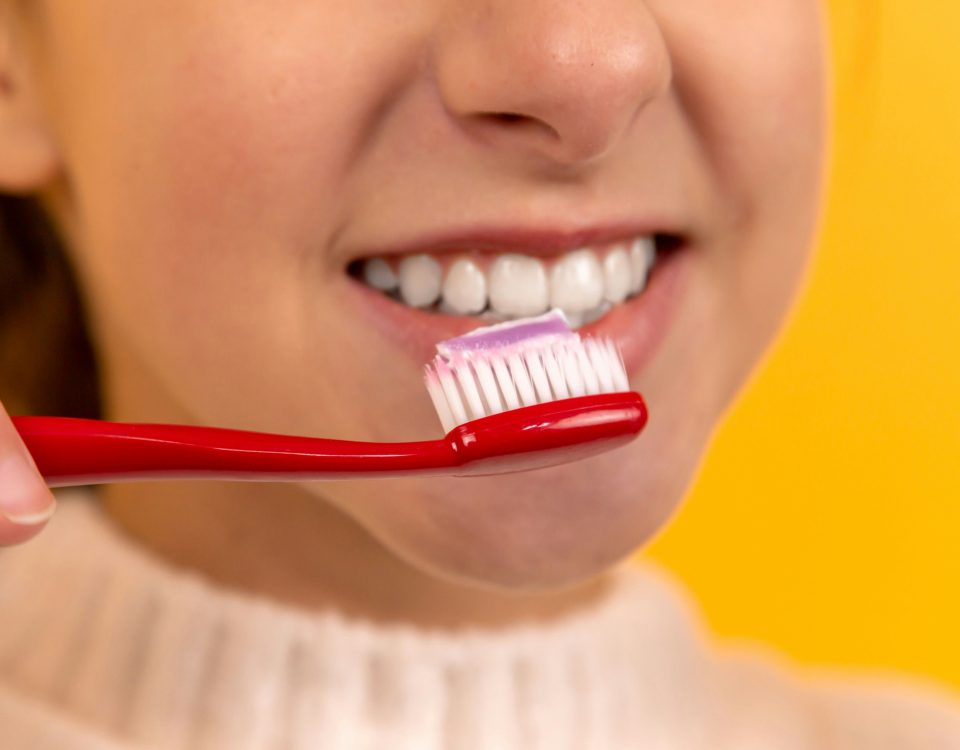
- Brush Teeth Twice a Day: Use fluoride toothpaste and brush for at least two minutes, reaching all surfaces of your teeth.
- Floss Daily: Flossing helps remove plaque and food particles between teeth, areas that your toothbrush can’t reach.
- Use Mouthwash: An antiseptic mouthwash can help reduce bacteria and freshen breath.
- Replace Your Toothbrush Regularly: Every 3-4 months, or sooner if the bristles are frayed.
- Limit Sugary Snacks and Drinks: Sugar can contribute to tooth decay, so it’s best to consume it in moderation.
How Does Proper Brushing Technique Contribute to Oral Health?
Effective brushing techniques are crucial for maintaining dental health. It’s not just about frequency, but also the method:
- Use a Soft-Bristled Brush: It’s gentle on your gums and enamel.
- Angle Your Brush: Hold the toothbrush at a 45-degree angle to your gums.
- Use Short Strokes: Clean the outer surfaces, inner surfaces, and chewing surfaces of all teeth.
- Don’t Forget Your Tongue: Brushing your tongue helps remove bacteria and freshens breath.
What Are the Benefits of Flossing?
Flossing is often overlooked but is essential for removing plaque and preventing gum disease. Proper flossing techniques include:
- Use About 18 Inches of Floss: Wind most of it around your middle fingers, leaving an inch or two to work with.
- Be Gentle: Guide the floss between your teeth using a gentle rubbing motion. Never snap it into the gums.
- Curve the Floss: Form a C-shape around the tooth and slide it up and down the side of each tooth.
How Can Mouthwash Enhance Oral Hygiene?
Using mouthwash provides benefits that brushing and flossing alone cannot:
- Reduces Bacteria: Antiseptic mouthwashes can lower bacterial count in your mouth.
- Prevents Plaque Build-Up: Mouthwash helps reduce the build-up of plaque on teeth.
- Freshens Breath: Provides a quick solution for bad breath.
Why Are Regular Dental Check-Ups Important?
Regular dental visits are crucial for maintaining oral health. These appointments typically involve:
- Comprehensive Exams: Best dentists bowral check for cavities, gum disease, and other dental issues.
- Professional Cleanings: Hygienists remove plaque and tartar build-up that brushing and flossing can miss.
- Early Detection: Regular visits help catch problems early, reducing the need for extensive treatments.
How Does Nutrition Impact Oral Health?
What you eat has a significant impact on your dental health. Beneficial foods include:
- Dairy Products: High in calcium and phosphates, which help rebuild tooth enamel.
- Leafy Greens: Rich in calcium, folic acid, and vitamins that promote oral health.
- Crunchy Fruits and Vegetables: Such as apples and carrots, help clean teeth and stimulate gums.
- Nuts and Seeds: Provide essential nutrients and can help reduce bacteria.
- Green Tea: Contains antioxidants that can reduce inflammation and fight bacterial infections.
What Habits Should Be Avoided for Better Oral Health?
Certain habits can negatively impact your oral health:
- Smoking and Tobacco Use: Increases the risk of gum disease, tooth decay, and oral cancer.
- Excessive Sugar Consumption: Leads to tooth decay and cavities.
- Using Teeth as Tools: Can cause chipping or breaking of teeth.
- Grinding and Clenching: Wears down teeth and can lead to jaw issues.
- Skipping Dental Check-Ups: Allows minor issues to develop into more serious problems.
What Role Does Fluoride Play in Oral Care?
Fluoride is a crucial component of dental health. It helps:
- Strengthen Enamel: Making teeth more resistant to decay.
- Remineralise Teeth: Rebuilds weakened tooth enamel.
- Prevent Tooth Decay: Reduces the amount of acid produced by bacteria on your teeth.
How Does Smoking Affect Oral Health?
Smoking and tobacco use have severe consequences for your oral health:
- Gum Disease: Smokers are more likely to develop gum disease, which can lead to tooth loss.
- Oral Cancer: Tobacco use is a major risk factor for mouth cancer.
- Delayed Healing: Smoking slows down the healing process after dental procedures.
Why Are Fluoride Treatments and Sealants Important?
Best dentists bowral recommend fluoride treatments and dental sealants, especially for children:
- Fluoride Treatments: Professional fluoride applications strengthen teeth and prevent decay.
- Dental Sealants: Applied to the chewing surfaces of back teeth, they provide a barrier against plaque and food.
What Are the Recommended Frequency of Dental Visits?
Different age groups have varying needs for dental check-ups:
| Age Group | Recommended Visit Frequency | Purpose of Visit |
| Children (0-12) | Every 6 months | Monitor growth, apply sealants |
| Teenagers (13-19) | Every 6 months | Check for orthodontic needs |
| Adults (20-64) | Every 6 months | Preventive care, early detection |
| Seniors (65+) | Every 6 months | Manage age-related dental issues |
What Foods Should Be Avoided for Better Oral Health?
Certain foods and drinks can be harmful to your teeth:
- Sugary Snacks and Drinks: Contribute to tooth decay.
- Sticky Foods: Such as candies, can cling to teeth and cause cavities.
- Acidic Beverages: Like soda and citrus juices, can erode enamel.
- Starchy Foods: Such as bread and chips, can get stuck in teeth and promote bacteria.
How Does Regular Dental Care Impact Gum Health?
Gum health is integral to overall oral hygiene. Regular care prevents gingivitis and periodontitis:
- Dental Plaque: Regular brushing and flossing prevent the formation of plaque.
- Gingivitis: The early stage of gum disease, characterised by inflammation and bleeding gums.
- Periodontitis: Advanced gum disease that can lead to tooth loss if untreated.
read more: Why Is Oral Health Important?
read more: How Does Poor Oral Health Impact General Health?
How Can You Ensure Your Teeth Are Getting Proper Nutrition?
Nutrients play a vital role in oral health:
| Nutrient | Benefits for Oral Health | Food Sources |
| Calcium | Strengthens teeth and bones | Dairy products, leafy greens |
| Vitamin D | Enhances calcium absorption | Sunlight, fatty fish, fortified foods |
| Vitamin C | Supports gum health | Citrus fruits, berries, bell peppers |
| Phosphorus | Works with calcium to strengthen teeth | Meat, fish, dairy, nuts |
| Antioxidants | Protect against cell damage | Green tea, fruits, vegetables |
How Can Preventive Dentistry Help?
Preventive dentistry focuses on maintaining good oral health to avoid dental problems:
- Regular Exams and Cleanings: Essential for early detection and prevention.
- Fluoride Treatments and Sealants: Offer additional protection against decay.
- Oral Hygiene Instructions: Guidance on effective brushing and flossing techniques.
Why Is It Important to Address Teeth Grinding?
Teeth grinding, or bruxism, can have serious effects:
- Wears Down Teeth: Can lead to sensitivity and decay.
- Causes Jaw Pain: Can result in temporomandibular joint (TMJ) disorders.
- Leads to Headaches: Often associated with stress-related grinding.
How Can You Make Sure You’re Using the Right Oral Hygiene Products?
Selecting the right products can enhance your oral care routine:
| Product | Benefits | Recommended Use |
| Fluoride Toothpaste | Strengthens enamel, prevents decay | Twice daily brushing |
| Dental Floss | Removes plaque between teeth | Once daily |
| Mouthwash | Reduces bacteria, freshens breath | Once daily, after brushing |
| Interdental Brushes | Cleans larger gaps between teeth | As needed, especially for braces |
| Tongue Scraper | Reduces bad breath, removes bacteria | Once daily, before brushing |
How to Maintain Oral Health During Different Life Stages?
Oral health needs change throughout life:
- Children: Regular check-ups, fluoride treatments, and sealants are crucial.
- Teenagers: Monitor for orthodontic needs and provide education on good habits.
- Adults: Preventive care, including cleanings and exams, is essential.
- Seniors: Focus on managing age-related issues and maintaining regular visits.
How Can Village Dental Care Help You?
For professional dental care and guidance on maintaining optimal oral health, visit Village Dental Care. Our team is dedicated to providing comprehensive services to help you achieve and maintain a healthy smile.
References:
- Australian Dental Association. (2023). Maintaining Your Oral Health.
- Healthdirect Australia. (2023). Oral Health.
- Better Health Channel. (2023). Dental Health.
Frequently Asked Questions about Improving Oral Health
1. What is the best way to brush my teeth to ensure optimal oral health?
Answer: The best way to brush your teeth involves using a soft-bristled toothbrush and fluoride toothpaste. Hold the toothbrush at a 45-degree angle to your gums and use gentle, circular motions to clean the outer, inner, and chewing surfaces of each tooth. Brushing for at least two minutes twice a day is recommended. Don’t forget to brush your tongue to remove bacteria and freshen your breath.
2. How often should I visit the dentist for check-ups and cleanings?
Answer: It is generally recommended to visit the dentist every six months for check-ups and professional cleanings. Regular visits help detect any potential issues early, provide professional cleaning to remove plaque and tartar, and ensure your overall oral health is maintained. Certain individuals with specific dental conditions might need more frequent visits.
3. Are there any specific foods that can improve my oral health?
Answer: Yes, certain foods can benefit your oral health. Dairy products like milk, cheese, and yogurt are high in calcium, which strengthens teeth. Leafy greens like spinach and kale provide essential vitamins. Crunchy fruits and vegetables, such as apples and carrots, help clean teeth and stimulate gums. Nuts and seeds offer essential nutrients, and green tea contains antioxidants that reduce inflammation and bacterial growth.
4. How important is flossing, and how often should I do it?
Answer: Flossing is crucial for removing plaque and food particles between teeth where a toothbrush cannot reach. It helps prevent gum disease and tooth decay. You should floss at least once a day, using about 18 inches of floss and guiding it gently between your teeth using a back-and-forth motion.
5. What role does fluoride play in maintaining oral health?
Answer: Fluoride is vital for oral health as it helps strengthen tooth enamel, making teeth more resistant to decay. It also aids in the remineralisation of weakened enamel and reduces the amount of acid produced by bacteria on your teeth. Using fluoride toothpaste and drinking fluoridated water are effective ways to incorporate fluoride into your oral care routine.
6. Can poor oral health affect my overall health?
Answer: Yes, poor oral health can have significant impacts on overall health. Conditions like gum disease have been linked to systemic issues such as heart disease, diabetes, respiratory infections, and adverse pregnancy outcomes. Maintaining good oral hygiene helps prevent these problems and contributes to overall well-being. Regular dental check-ups and a consistent oral care routine are essential for preventing oral and systemic health issues.
Related posts

16/09/2026