- Mon - Fri 9am-5pm, Sat & Sun Closed
- 1st Floor, 10 Boolwey St Bowral NSW 2576
- [email protected]
- 02 4861 1833






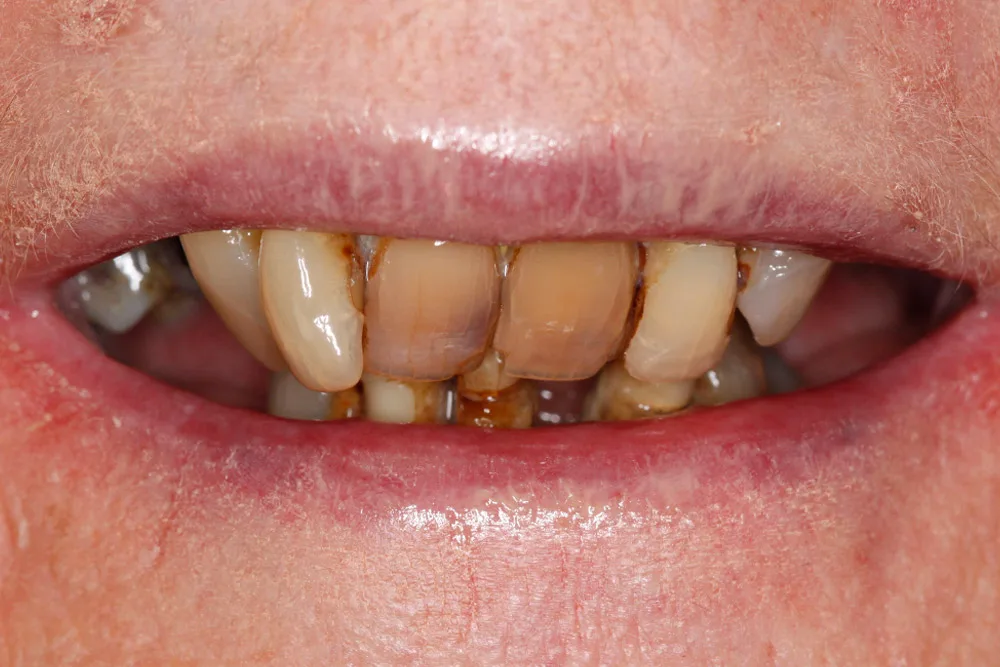
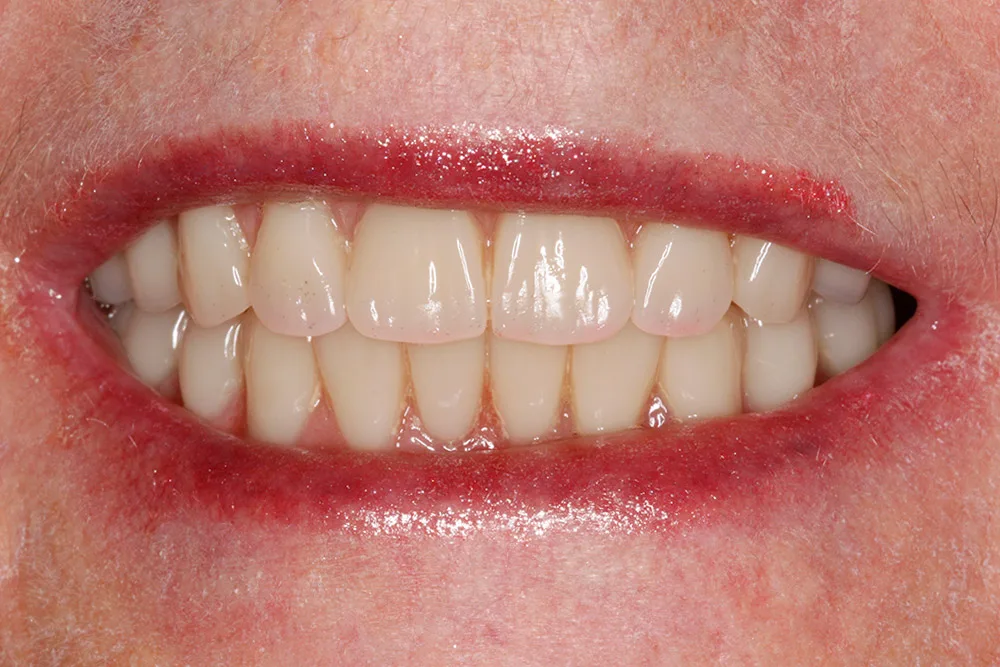
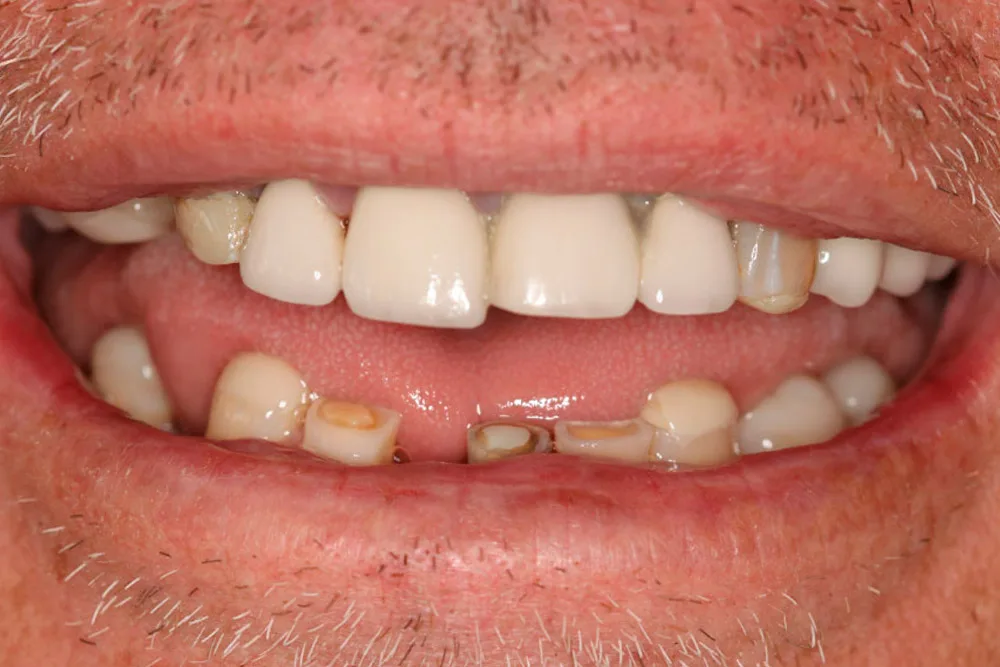

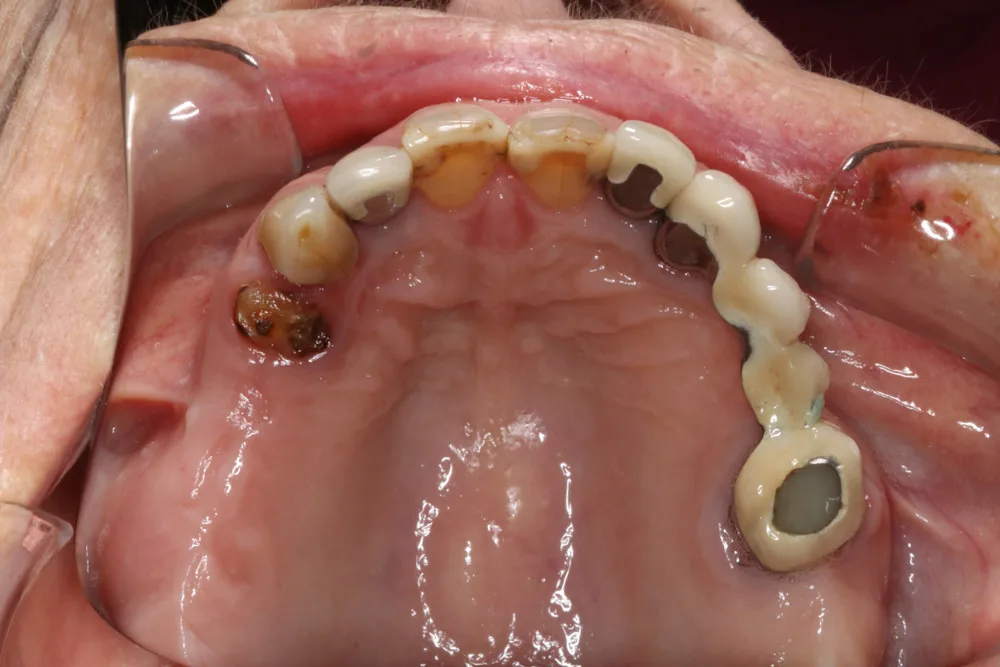


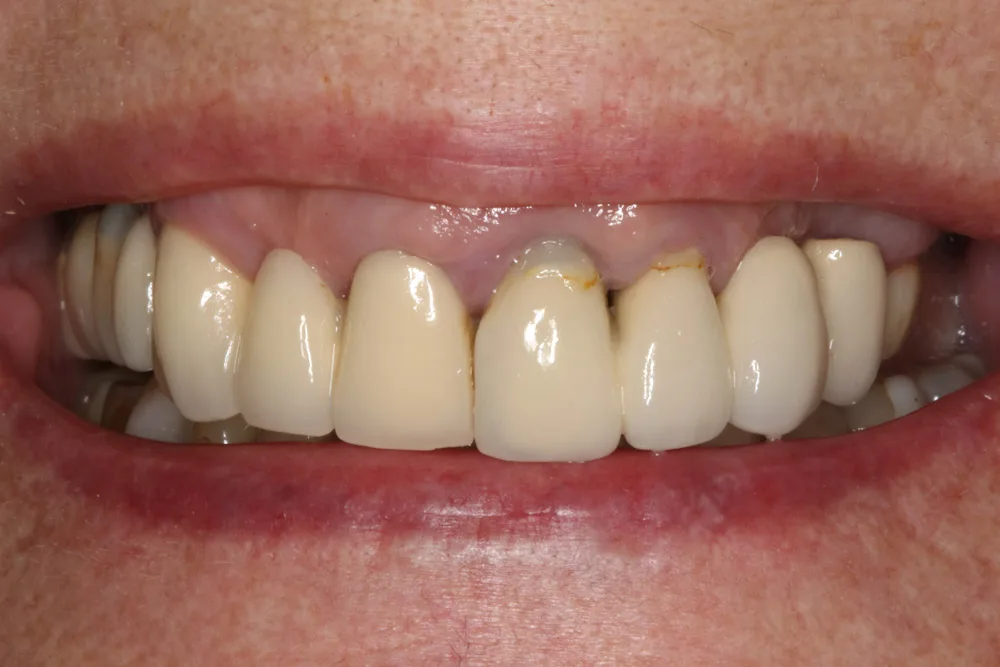
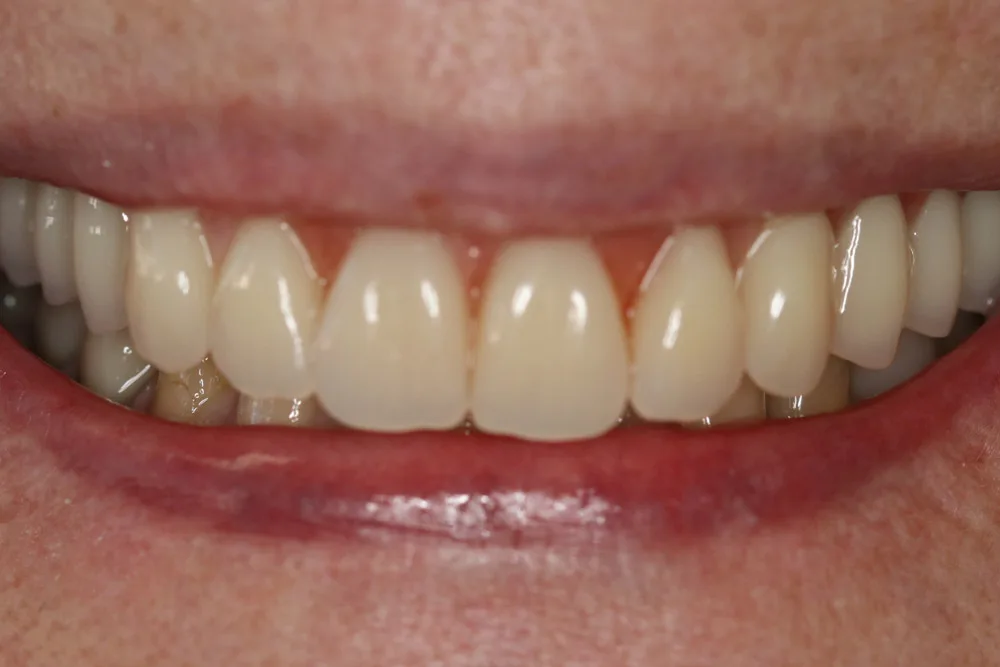
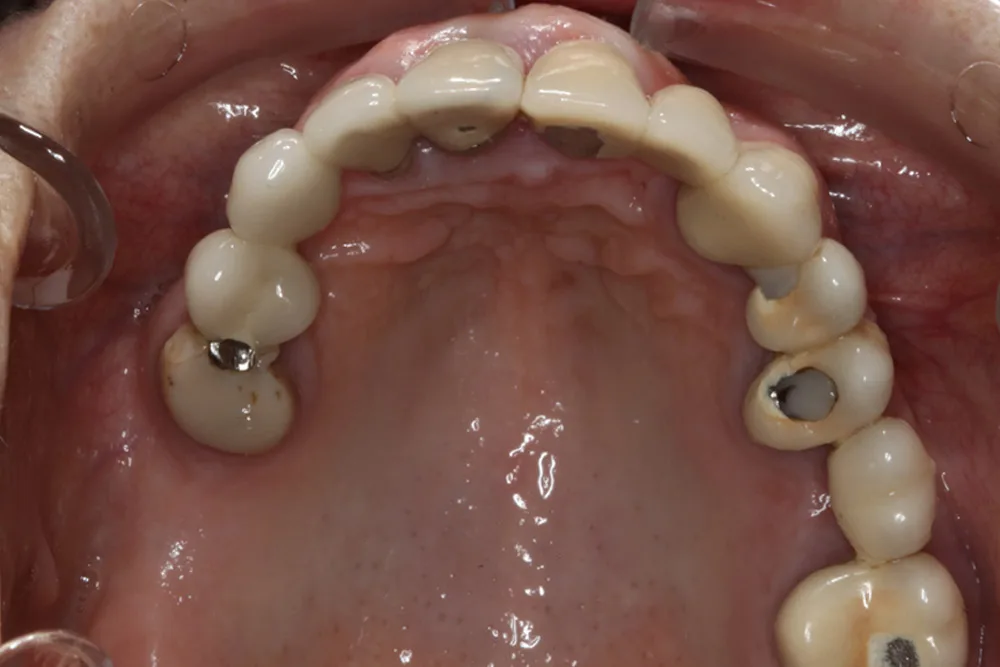
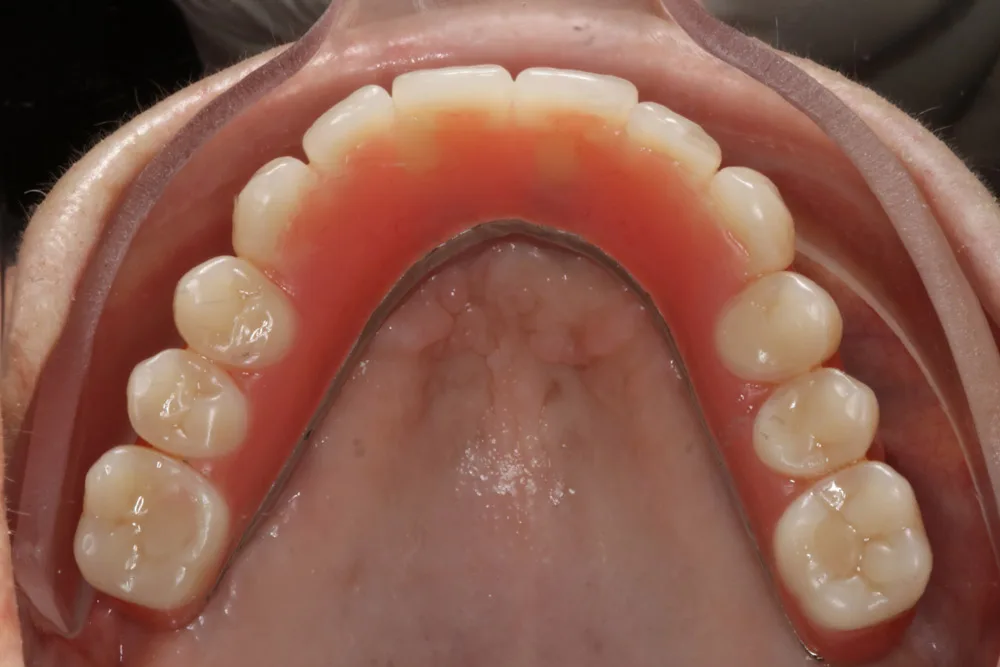

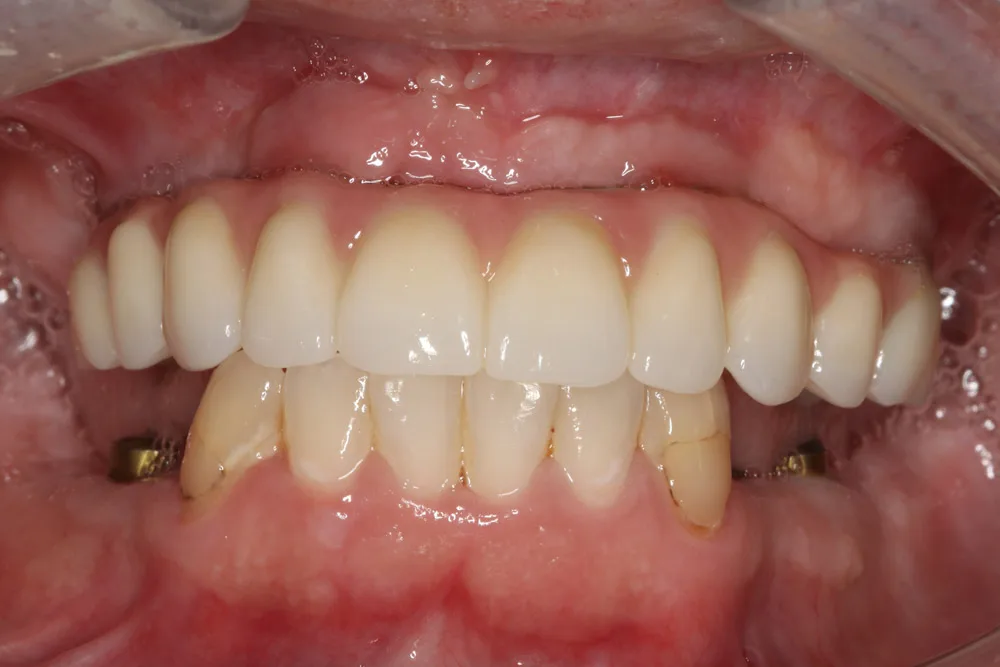
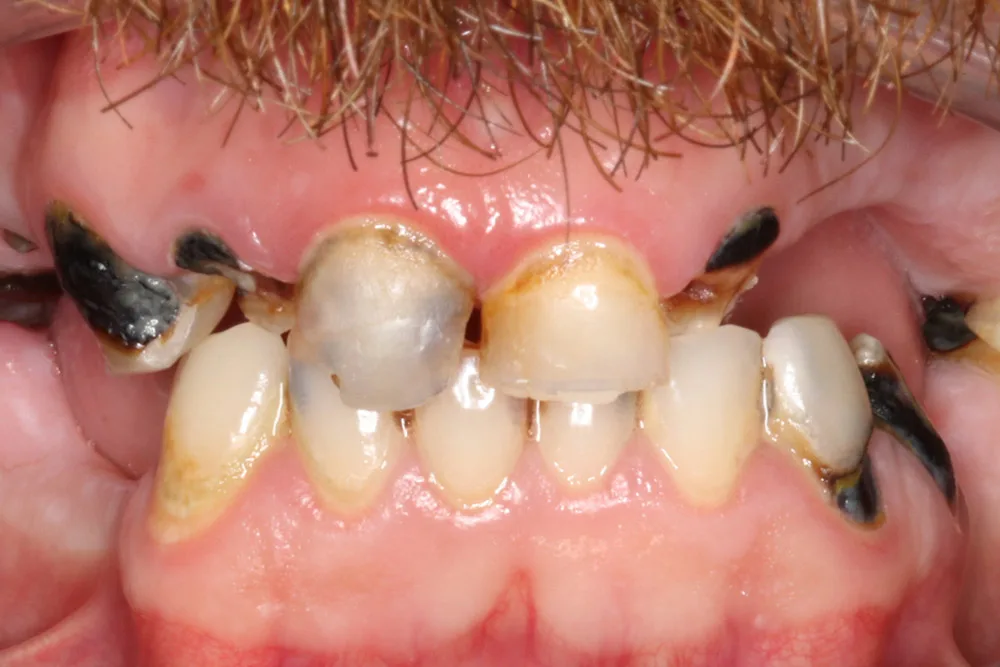
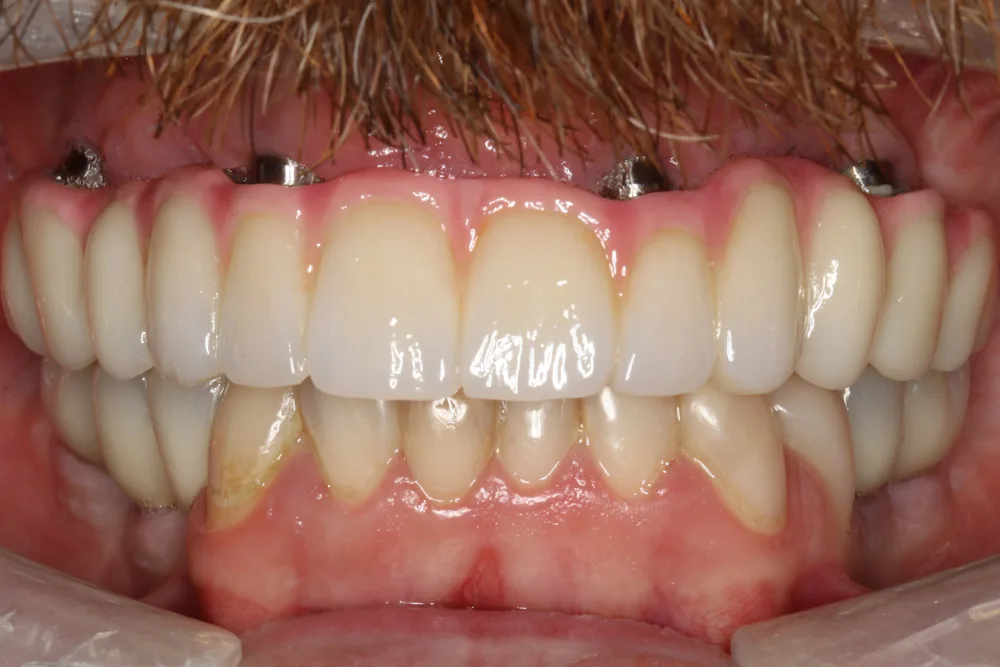
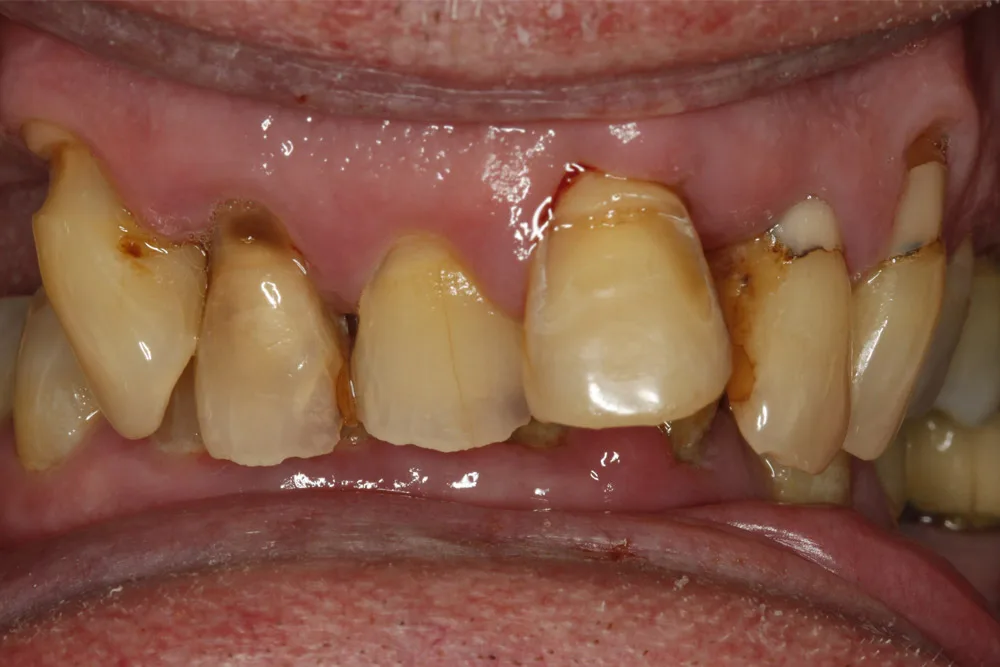
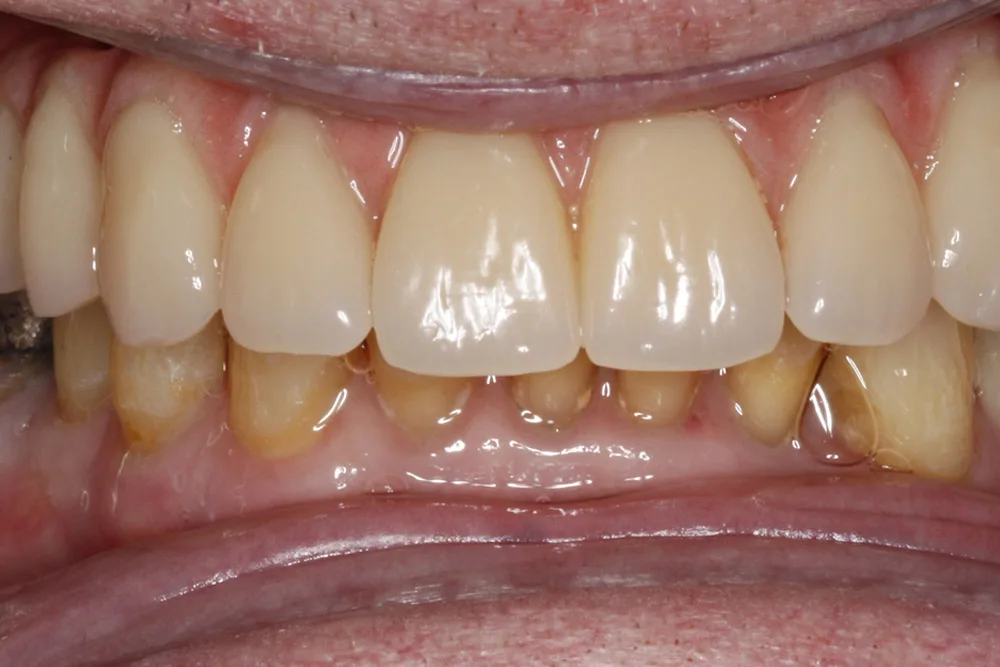
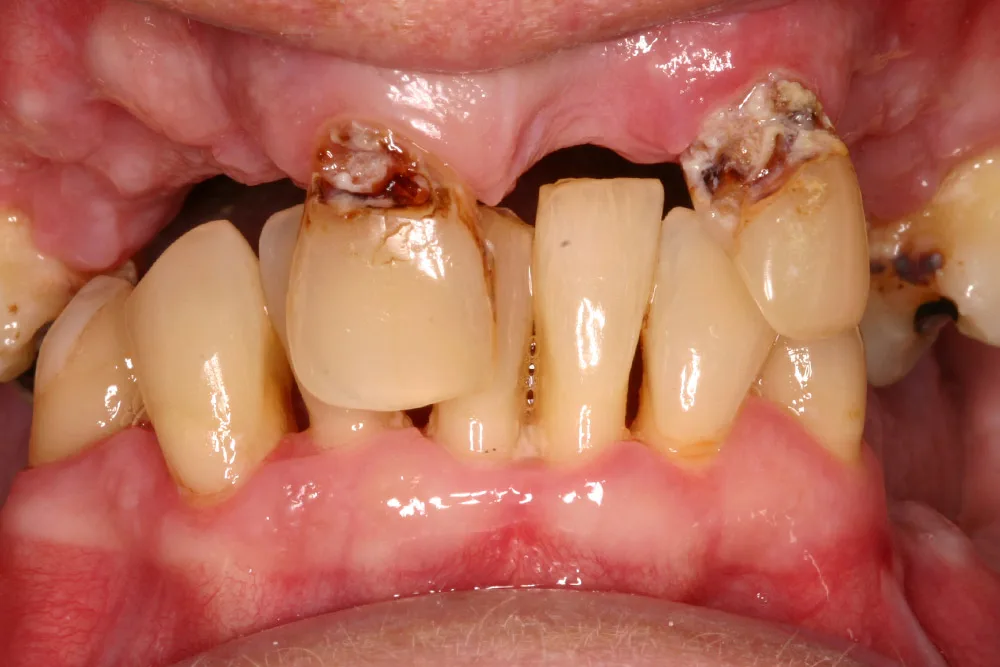
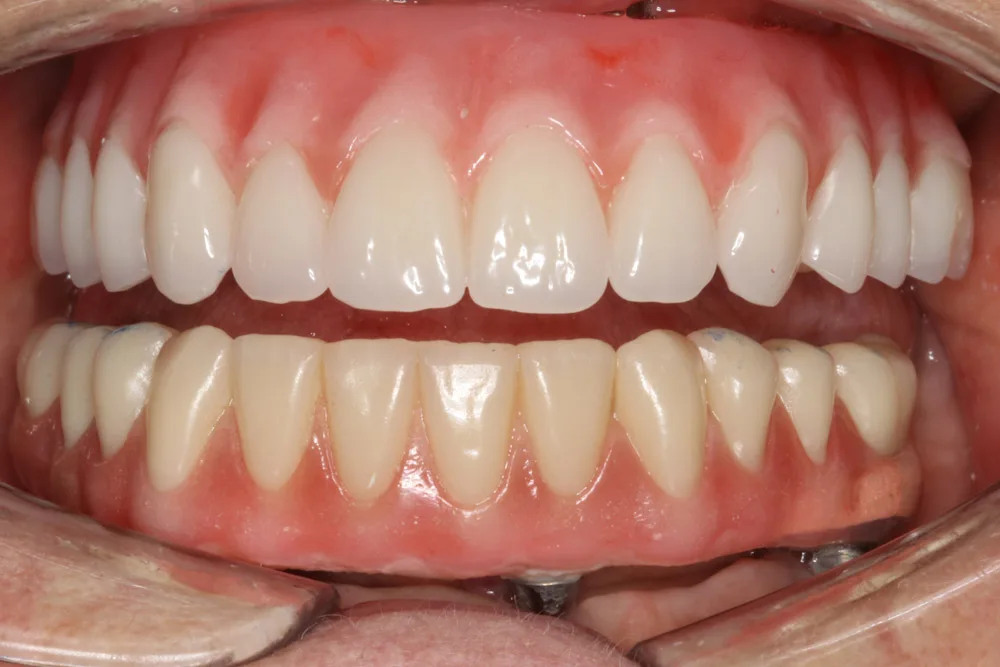
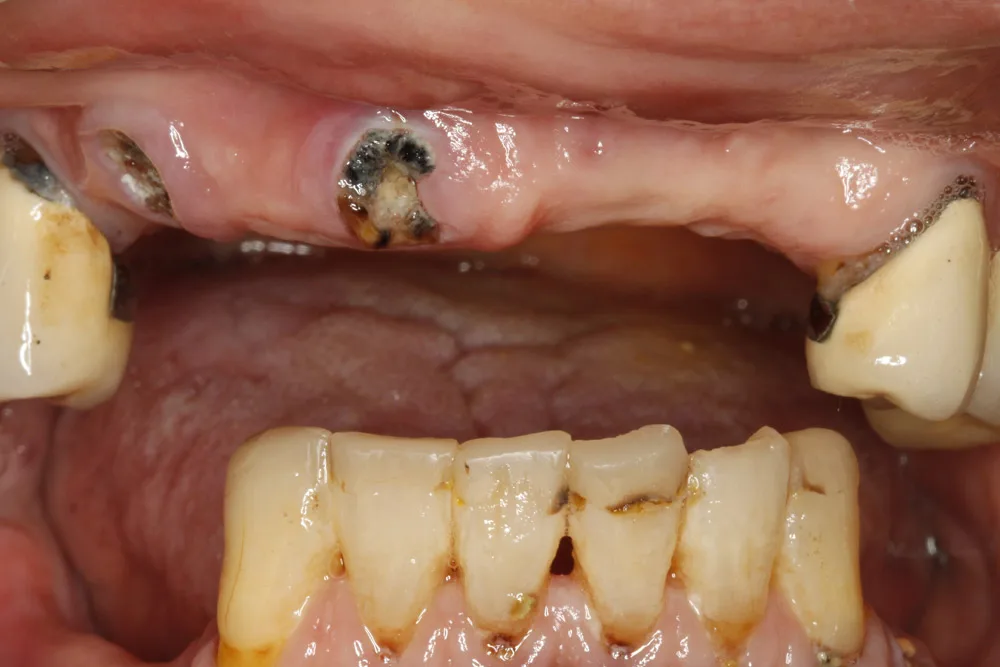
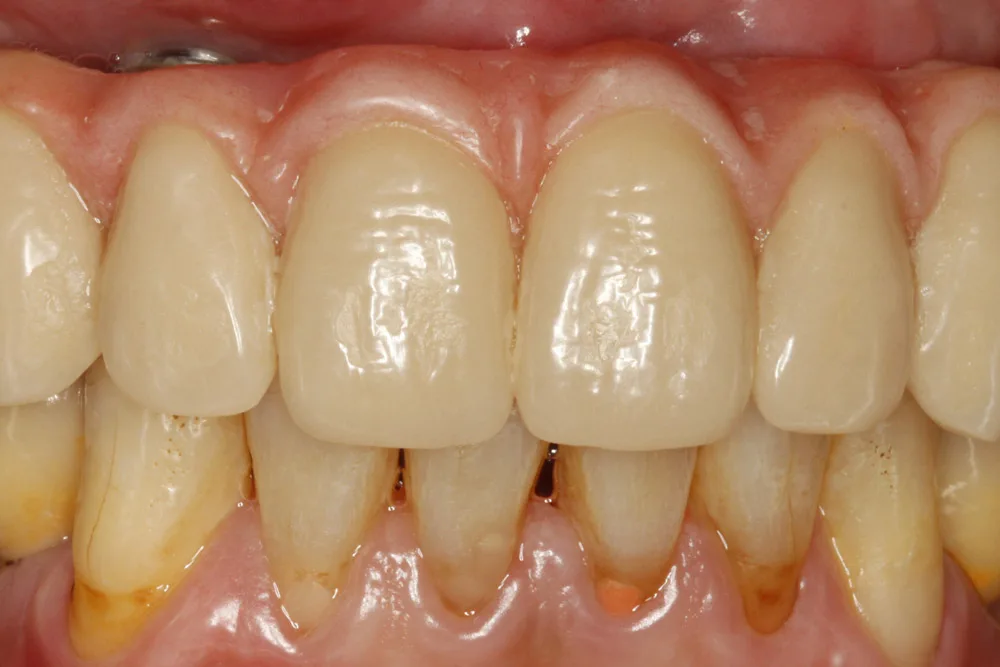

Veneers reshape chipped, discoloured or uneven teeth without the more invasive approach of a crown. Village Dental Care in Bowral offers both porcelain and composite veneers — each suited to a different budget, timeline and result.
A veneer is a thin shell bonded to the front surface of a tooth. It does not replace the tooth — it covers the visible face of it, correcting shape, colour and minor alignment issues in a way that is far less invasive than a crown, which covers the entire tooth.
Veneers are chosen most often for teeth that are discoloured beyond what whitening can fix, chipped or worn at the edge, slightly misaligned or gapped, or simply smaller or less symmetrical than the surrounding teeth.
The two materials used at Village Dental Care — porcelain and composite — achieve a similar visual result through very different processes, timelines and price points.
The decision between the two usually comes down to three factors: budget, timeline, and how long you want the result to last.
For a full breakdown of each material, see our dedicated pages on porcelain veneers in Bowral and composite veneers in Bowral.
Veneers work best for patients with teeth that are structurally healthy but cosmetically compromised. Common candidates include people with:
• Permanent staining that whitening treatments have not resolved
• Chipped, worn or slightly uneven front teeth
• Small gaps or minor misalignment are not severe enough to warrant orthodontic treatment
• Teeth that are naturally small, short or irregularly shaped
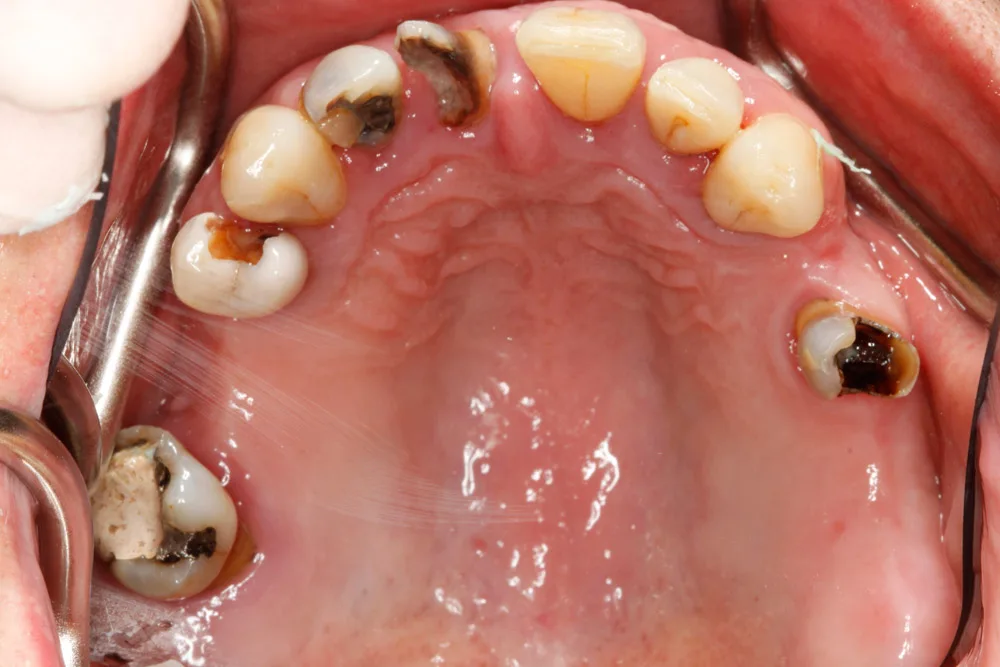
Veneers are a cosmetic solution, not a structural one. If a tooth has significant decay or a large filling, a crown may be the more appropriate option. Dr Tan will advise honestly at your consultation whether veneers suit your specific case, or whether teeth whitening or another approach would achieve your goal more simply.
Every veneer case begins with a consultation. Dr Tan assesses the health of the teeth being considered, discusses your goals for shape and shade, and explains which material — porcelain or composite — best fits your budget, timeline and expectations.
Digital photographs and a shade assessment are taken to plan the final result before any preparation begins. You can meet the team and view examples of previous work at this stage if that helps you decide.
Porcelain veneers are lab-fabricated ceramic shells that last longer and resist staining better, but require two appointments and cost more. Composite veneers are sculpted directly onto the tooth in a single visit, cost less, and typically last 5–7 years.
Cost depends on the material and number of teeth treated. Composite veneers are generally more affordable per tooth than porcelain. Dr Tan provides a detailed, itemised quote after your consultation once your specific case has been assessed.
Porcelain veneers require some enamel removal, making the process largely permanent. Composite veneers involve minimal to no enamel removal and are considered more reversible, though the tooth surface will need re-treatment if the veneer is removed.
Porcelain veneers require a small amount of enamel to be removed to accommodate the shell — this is permanent but conservative compared to a crown. Composite veneers require little to no removal, making them the more conservative option for patients wanting to preserve tooth structure.
Porcelain veneers typically last 10–15 years or longer with good care. Composite veneers typically last 5–7 years before needing polishing, repair or replacement.
Veneers can visually improve minor misalignment or gaps, but they are a cosmetic solution rather than an orthodontic one. Significant crowding or bite issues are better addressed with Invisalign or another orthodontic approach before considering veneers.
Both materials are shade-matched to your surrounding teeth. Porcelain has a slight edge in replicating the natural translucency of enamel, while composite is sculpted and polished by hand to blend in during the same appointment.
The right choice depends on your budget, timeline and how long you want the result to last. Read more about porcelain veneers and composite veneers, or contact us to book a consultation and get a personalised recommendation.
Both porcelain and composite veneers respond well to normal oral hygiene — brushing twice daily and flossing as usual. What differs is resilience: porcelain holds up to biting pressure and stains better over time, while composite may need occasional polishing or minor repair.
Avoiding habits like biting fingernails, chewing ice, or using your teeth to open packaging protects both materials significantly. Regular check-ups through general dentistry in Bowral help catch any wear early.
Whether porcelain or composite is the right fit depends on your goals, budget and timeline. Book a consultation with Dr Tan to get an honest recommendation and a clear quote.